


Why Diabetic Foot Ulcers Often Require X-Rays
Understanding What May Be Happening Beneath the Surface
Diabetic foot ulcers are among the most common and serious complications of diabetes. While some wounds may appear small or relatively harmless on the surface, hidden problems beneath the skin can significantly impact healing and increase the risk of severe complications. This is why diabetic wound imaging often plays an important role in the evaluation and treatment process.
At Wound Care Specialists of Central PA, advanced diagnostic tools help identify underlying issues that may not be visible during a routine examination, allowing patients throughout Central Pennsylvania to receive timely and effective care.
Diabetic Foot Ulcers Are Often More Serious Than They Look
Many diabetic foot ulcers appear minor at first. In some cases, they may cause little to no pain, leading patients to believe the wound is healing or not serious.
Diabetic neuropathy can reduce sensation in the feet, preventing patients from recognizing when a wound is worsening. Many patients throughout Central Pennsylvania do not realize how advanced a wound has become until complications develop.
Because patients may not feel discomfort, they often continue walking on the affected foot, placing additional pressure on the ulcer and delaying healing.
While a visual examination is an important first step, it cannot always reveal what is happening beneath the skin. Visual exams alone may miss deeper complications, including infection, bone involvement, or structural abnormalities. This is one reason healthcare providers often recommend X-ray evaluations when treating diabetic foot ulcers.
Why Diabetes Increases the Risk of Hidden Wound Problems
Nerve Damage Masks Warning Signs
Diabetic neuropathy reduces feeling in the feet, making it difficult to detect injuries, pressure points, or worsening wounds.
Without pain serving as a warning signal, patients may continue normal activities while tissue damage progresses. As a result, treatment is often delayed until the ulcer becomes more severe.
Poor Circulation Slows Healing
Diabetes can damage blood vessels and restrict circulation to the lower extremities. Reduced blood flow limits the delivery of oxygen and nutrients needed for healing.
Poor circulation also increases the likelihood that infections will spread deeper into surrounding tissues.
Weakened Immune Response
Diabetes can impair the body's natural ability to fight infection. Even a small wound can become infected more easily, and healing often takes longer without proper treatment.
This combination of factors makes diabetic wound imaging an important part of identifying hidden complications before they become more serious.
What an X-Ray Can Reveal in a Diabetic Foot Ulcer
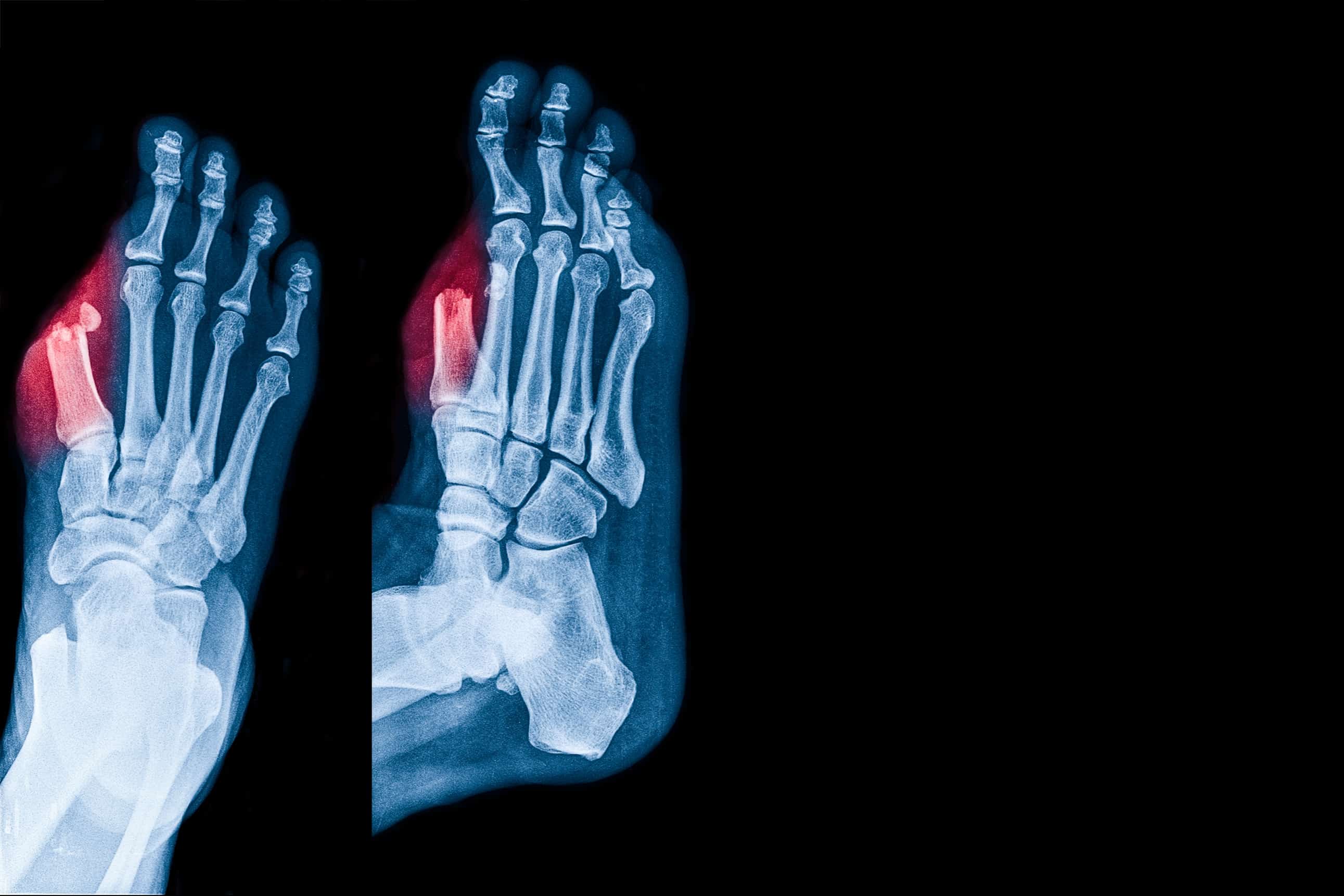
Diagnostic imaging provides valuable information that cannot always be seen during a physical examination.
Bone Infections (Osteomyelitis)
One of the most important reasons providers order a diabetic foot ulcer X-ray is to evaluate for osteomyelitis, a serious bone infection.
A bone infection or diabetic ulcer can develop when bacteria travel from the wound into the underlying bone. Because many diabetic patients have reduced sensation, osteomyelitis may not cause immediate pain or obvious symptoms.
Early detection allows treatment to begin before extensive damage occurs.
Ulcers That Reach the Bone
Some diabetic wounds extend much deeper than they appear on the surface. Imaging can help determine whether the ulcer has reached or exposed the underlying bone.
Bone involvement significantly increases the risk of infection, hospitalization, and potential limb-threatening complications.
Foreign Objects or Structural Changes
Diabetic wound imaging can also reveal retained debris, fractures, deformities, or structural abnormalities that may interfere with healing.
Identifying these issues helps wound care specialists develop a more effective treatment strategy.
When X-Rays Are Recommended for Diabetic Foot Ulcers
A diabetic foot ulcer X-ray may be recommended if:
- A wound is slow to heal
- Drainage increases
- Swelling becomes more noticeable
- An odor develops
- The ulcer appears deep or continues to worsen
- There is concern that the infection may have spread to the bone
- You have a history of previous foot infections
- You have experienced a prior amputation
Prompt diabetic wound imaging can help identify complications before they become more difficult to treat.
How On-Site Digital X-Ray Improves Diabetic Wound Care
At Wound Care Specialists of Central PA, digital X-rays are performed on-site as part of our comprehensive diabetic wound imaging services.
Having imaging available in the office provides several benefits, including:
- Immediate image review
- Faster diagnosis and treatment planning
- No delays waiting for outside imaging appointments
- Better coordination of wound care, antibiotics, and surgical treatment when needed
This streamlined approach allows patients to receive answers and begin treatment sooner.
Early Imaging Can Help Prevent Serious Complications
Early imaging often leads to earlier diagnosis and treatment.
By identifying hidden problems before they worsen, providers can help reduce the risk of hospitalization, severe infection, and amputation. Early intervention may also improve healing outcomes, preserve mobility, and support a better quality of life.
For many patients, diabetic wound imaging is a critical step in protecting long-term foot health.
Expert Diabetic Foot Ulcer Care in Central Pennsylvania
If you are living with a diabetic foot ulcer, specialized treatment can make a significant difference in your recovery.
Wound Care Specialists of Central PA provides advanced wound care that Mechanicsburg, PA, patients trust for diabetic foot ulcers and other chronic wounds. We proudly serve Harrisburg, Mechanicsburg, and surrounding communities with comprehensive Central Pennsylvania wound care services.
Our team focuses on advanced diagnostics, diabetic wound imaging, limb preservation strategies, and personalized treatment plans designed to help patients avoid serious complications whenever possible.
No referral is required, and second opinions are always welcome.
Schedule an Evaluation Today
If you have a diabetic foot ulcer that isn't healing, imaging may provide critical answers about what's happening beneath the surface.
Call (717) 620-8225 today to schedule an evaluation with Wound Care Specialists of Central PA and learn how advanced diagnostic imaging can support your healing journey.