


A wound that does not heal can be frustrating and concerning. While many wounds improve with standard treatment, others remain open for weeks or continue to worsen despite proper care. Chronic wounds increase the risk of infection, hospitalization, and even amputation if left untreated.
Seeking a second opinion is not a sign that your current treatment has failed. It is a proactive step that may identify barriers to healing that were previously overlooked. A wound care specialist can evaluate the underlying cause of the wound and recommend advanced treatment options to help promote healing.
What Is Considered a Non-Healing or Chronic Wound?
Understanding Normal Wound Healing
Most wounds heal through four stages: clotting, inflammation, tissue growth, and remodeling. Minor cuts may heal within one to two weeks, while larger wounds or surgical incisions often take several weeks. Healing time depends on the wound's severity and your overall health.
Signs a Wound May Not Be Healing Properly
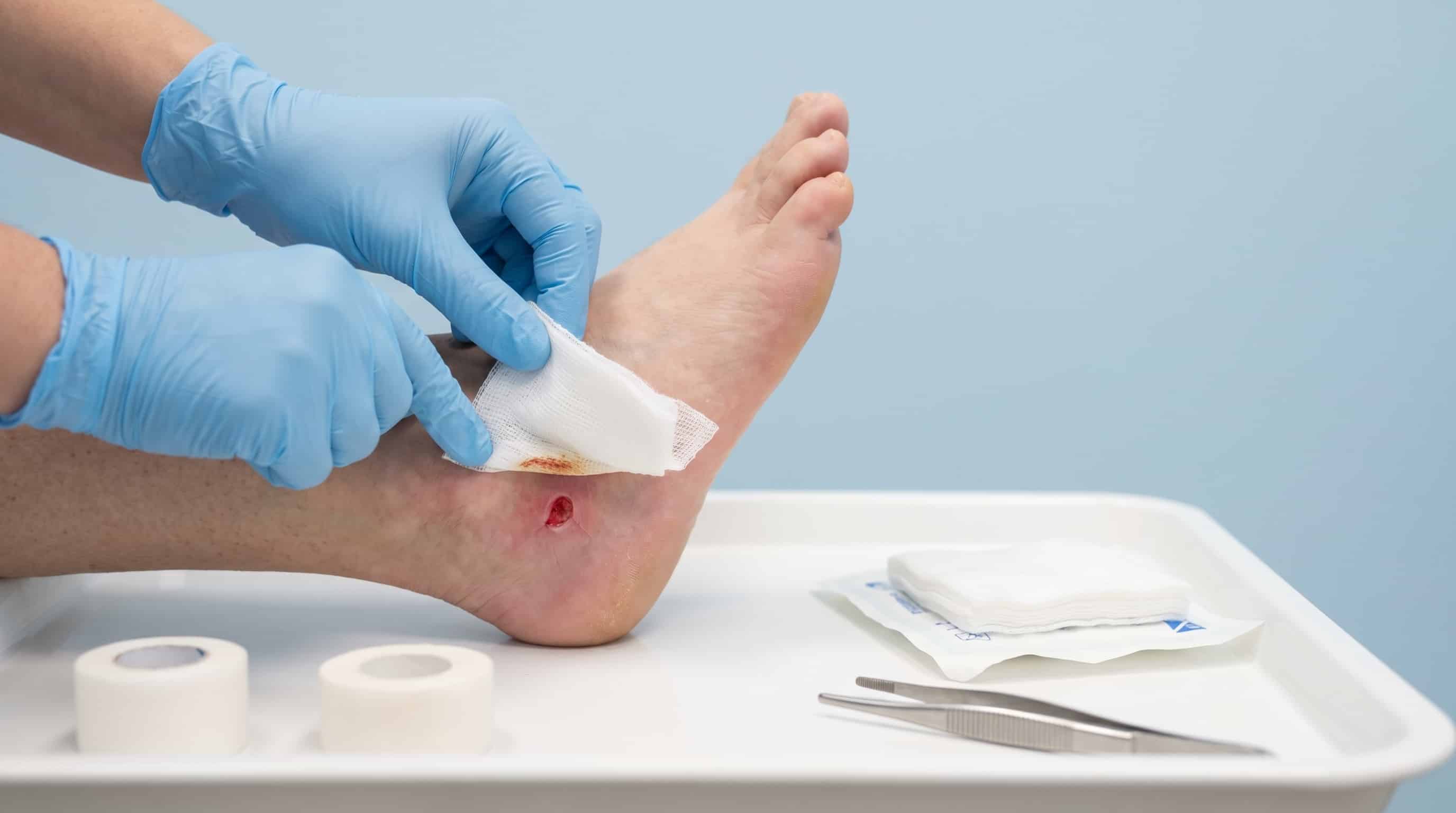
A wound may be considered chronic if it shows little improvement after several weeks or continues to worsen. Warning signs include persistent drainage, increasing pain or redness, recurring infections, exposed tissue or bone, or a wound that remains the same size. Common chronic wounds include diabetic foot ulcers, venous leg ulcers, arterial ulcers, pressure injuries, and post-surgical wounds.
Why Do Some Wounds Stop Healing?
Several factors can prevent a wound from healing properly. Poor circulation caused by conditions such as Peripheral Artery Disease (PAD) or chronic venous insufficiency limits the oxygen and nutrients needed for tissue repair. Diabetes and neuropathy can slow healing and make it difficult to notice worsening injuries. Hidden infections, including infections that spread to the bone, may continue to damage tissue without obvious symptoms. Walking on a wound, wearing improper footwear, or failing to relieve pressure can repeatedly injure healing tissue. Dead tissue within the wound often requires debridement to promote healing, while smoking, kidney disease, immune disorders, and poor nutrition can further delay recovery.
7 Signs It's Time to Seek a Second Opinion for a Wound
It may be time to seek specialized wound care if:
- Your wound has not improved in weeks.
- You have tried multiple treatments without success.
- The wound continues to become infected.
- You have diabetes and the wound is not healing.
- Amputation has been recommended.
- The cause of the wound remains unclear.
- You want access to advanced wound care technologies and treatment options.
A second opinion can provide a fresh perspective and help identify issues that may have been missed during previous evaluations.
What Can a Wound Care Specialist Identify That Others May Miss?
Wound care specialists perform a comprehensive evaluation to identify factors preventing healing. This may include assessing blood flow, detecting hidden infections, evaluating gait and pressure points, and identifying diabetic foot complications such as neuropathy or Charcot foot. They also consider lifestyle habits, nutrition, and other medical conditions that may affect long-term healing, allowing them to develop a more personalized treatment plan.
Advanced Treatment Options Available Through Specialized Wound Care
Depending on the wound and its underlying cause, advanced treatment options may include wound debridement, bioengineered tissue or skin substitutes, advanced wound dressings, ultrasound-assisted wound therapy, bacterial imaging and wound assessment technology, limb preservation strategies, and surgical wound reconstruction when necessary. These therapies are designed to encourage healing while reducing the risk of serious complications.
How a Second Opinion May Help Prevent Amputation
Many chronic wounds can heal successfully when the underlying cause is identified early. A second opinion focuses on preserving the affected limb by improving circulation, controlling infection, relieving pressure, and managing chronic conditions such as diabetes. Wound care specialists often collaborate with vascular specialists, podiatrists, infectious disease physicians, and primary care providers to deliver comprehensive, coordinated care.
What to Expect During a Second Opinion Wound Care Consultation
During your appointment, the specialist will review your medical history, previous treatments, and current medications before performing a comprehensive wound assessment. Additional testing, such as vascular studies, laboratory work, or imaging, may be recommended to determine why healing has stalled. Based on these findings, you will receive personalized treatment recommendations while your specialist coordinates care with your existing healthcare providers when appropriate.
Frequently Asked Questions About Second Opinion Wound Care
Do I Need a Referral for a Second Opinion?
Referral requirements vary depending on your insurance plan and healthcare provider.
Will My Current Doctor Be Notified?
Yes. Wound care specialists often communicate with your existing physician to coordinate your care.
Can I Seek a Second Opinion Before Surgery or Amputation?
Absolutely. Many patients seek a second opinion before making major treatment decisions to better understand all available options.
What Should I Bring to My Appointment?
Bring your medical records, medication list, imaging results, and information about previous wound treatments.
How Soon Should I Seek Another Opinion if My Wound Isn't Improving?
If your wound has not improved after several weeks or continues to worsen, schedule a second opinion as soon as possible. Early intervention can help prevent serious complications.
Take the Next Step Toward Healing
A chronic wound should never be ignored. Many non-healing wounds have treatable underlying causes, and specialized wound care can provide the expertise and advanced treatments needed to support healing. If your wound is not improving, schedule a comprehensive wound assessment to explore your treatment options and take the next step toward recovery.