

Chronic wounds can be frustrating, painful, and often concerning, especially when they don’t respond to standard care. If you’ve been dealing with a wound that won’t heal, you may be asking: When is skin grafting necessary? Understanding when advanced treatment is needed can help you take the right next step toward healing with confidence.
Understanding Chronic Wounds
A chronic or non-healing wound is generally defined as one that has not significantly improved within 4–6 weeks, even with proper care. Instead of progressing through the normal stages of healing, these wounds stall, leaving tissue vulnerable to infection and further damage.
Chronic wounds commonly develop on the feet, ankles, lower legs, and surgical sites, particularly in patients with underlying conditions like diabetes or poor circulation. Across Central Pennsylvania, these risk factors are a leading reason why many patients require advanced wound care rather than basic at-home treatment.
Why Some Chronic Wounds Cannot Heal on Their Own
Not all wounds are capable of healing naturally. In many cases, underlying medical issues or wound characteristics prevent the body from repairing the damaged tissue effectively.
Poor Blood Flow and Circulation Problems
Healthy blood flow is essential for healing, as it delivers oxygen and nutrients to the wound. Conditions like peripheral arterial disease (PAD) and venous insufficiency can significantly reduce circulation, making it difficult for tissue to regenerate.
Ongoing Infection or Bacterial Burden
Chronic wounds often contain bacteria beneath the surface, sometimes forming what is known as a biofilm. This hidden barrier can prevent healing even when the wound appears stable from the outside.
Wound Size, Depth, or Tissue Loss
Larger or deeper wounds present a greater challenge for the body. When there is significant tissue loss, or when structures like bone, tendon, or joints are exposed, the skin cannot regenerate effectively on its own.
Underlying Health Conditions
Conditions such as diabetes, neuropathy, and vascular disease slow the healing process and weaken the immune response. As a result, even minor wounds can become chronic and increasingly difficult to treat.
Signs a Chronic Wound May Need Skin Grafting
Skin grafting is not typically the first line of treatment, but it becomes an important option when healing stalls or complications begin to develop. Recognizing the warning signs early can help prevent more serious outcomes.
The Wound Has Not Improved After Weeks of Treatment
If your wound has remained the same size, continues to drain, or repeatedly breaks down after several weeks of care, it may need more advanced intervention.
Bone, Tendon, or Deeper Structures Are Exposed
When deeper structures are visible, the body has a limited ability to close the wound naturally. This also increases the risk of infection, making timely treatment critical.
The Wound Is Getting Worse, Not Better
An increase in pain, redness, swelling, or odor may indicate infection or tissue damage. In these cases, waiting can lead to more serious complications.
High Risk of Serious Complications
Chronic wounds that are left untreated can progress to conditions such as bone infection (osteomyelitis), hospitalization, or even limb loss. Skin grafting may be recommended to prevent these outcomes and stabilize the wound.
Common Conditions That May Require Skin Grafting
Skin grafting is often used when chronic wounds associated with underlying conditions fail to respond to conservative care. These include:
- Diabetic foot ulcers
- Venous leg ulcers
- Arterial ulcers
- Pressure ulcers (bedsores)
- Post-surgical wounds that do not close properly
- Traumatic wounds involving significant tissue loss
How Doctors Decide If Skin Grafting Is the Right Next Step
Skin grafting is never a one-size-fits-all solution. Instead, it is recommended only after a thorough evaluation confirms that the wound is unlikely to heal on its own.
Comprehensive Wound Evaluation
Your provider will carefully assess the wound’s size, depth, and overall tissue quality, along with any signs of infection or delayed healing.
Circulation and Vascular Testing
Adequate blood flow is essential for a successful graft. Non-invasive testing, such as an ankle-brachial index (ABI), helps determine whether circulation is sufficient to support healing.
Preparing the Wound Bed
Before a skin graft can be placed, the wound must be properly prepared. This often involves removing non-viable tissue through debridement, reducing bacterial burden, and creating an optimal environment for the graft to adhere and heal.
How Skin Grafting Helps Chronic Wounds Heal
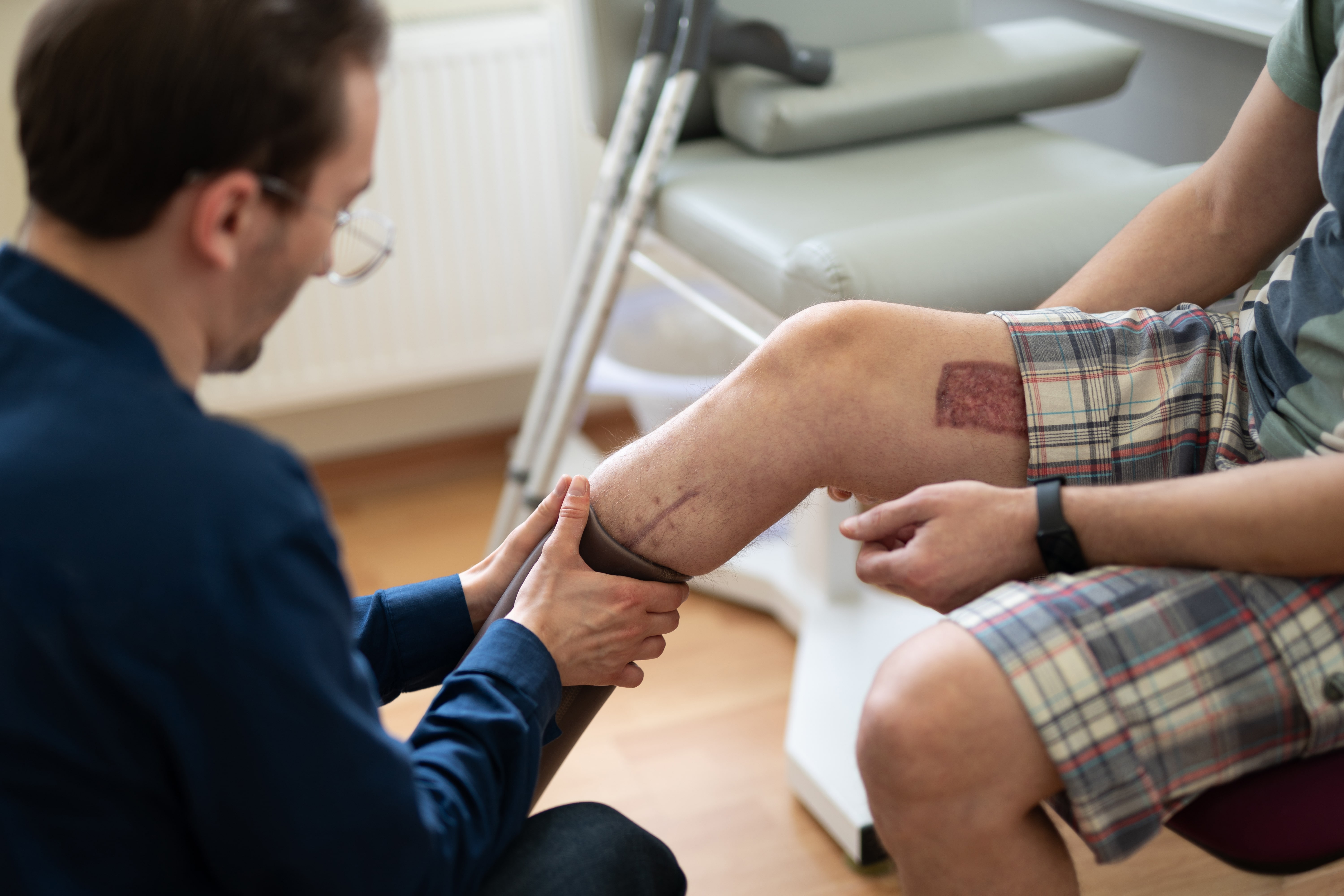
Skin grafting jumpstarts the healing process by placing healthy tissue over a wound that has been unable to close on its own. This new layer of skin acts as a protective barrier, covering exposed structures and reducing the risk of infection.
By providing the wound with the necessary foundation for healing, skin grafting encourages faster and more predictable recovery. It is also a critical tool in limb preservation, particularly for patients at risk of severe complications.
Is Skin Grafting Always Necessary?
Not always. Many chronic wounds can heal with conservative treatments, especially when they are addressed early and managed appropriately.
However, when a wound stops improving or begins to worsen, advanced therapies like skin grafting may be the most effective option. The key is not waiting too long, and seeking care early can often reduce the need for more invasive treatments and improve overall outcomes.
Advanced Skin Grafting and Wound Care in Central Pennsylvania
At Wound Care Specialists of Central PA, patients receive personalized, advanced care designed to address even the most complex wounds.
Conveniently located in Mechanicsburg, PA, the practice serves patients throughout Central Pennsylvania with a focus on evidence-based treatment and long-term healing. Care is led by a board-certified wound care specialist and supported by advanced diagnostic tools, modern treatment options, and comprehensive follow-up care. Patients do not need a referral, and second opinions are always welcome.
When to Schedule a Skin Graft Evaluation
If you’re unsure whether your wound requires advanced care, there are a few clear signs that it’s time to seek an evaluation:
- Your wound has not improved after 4 weeks
- It continues to worsen despite treatment
- You have diabetes or circulation problems
- You’ve been told healing options are limited
- You’re concerned about infection or possible amputation
Schedule a Consultation in Mechanicsburg, PA
If you have a chronic wound that isn’t healing, early evaluation can make all the difference.
Call (717) 620-8225 to schedule a consultation at Wound Care Specialists of Central PA and learn whether skin grafting is the right solution for you.