


Why Some Wounds Refuse to Heal
It can be frustrating when a wound that seems minor refuses to heal. You may be cleaning it regularly, applying bandages, and following proper care instructions, yet weeks or even months go by without improvement.
This is more common than many people realize. Chronic wounds often persist because of hidden causes beneath the skin that are not visible on the surface. Many patients searching for answers about why wounds won’t heal in Central Pennsylvania find that the issue goes deeper than basic wound care.
Chronic Wounds Are Often More Than a Skin Problem
Wound healing is a complex process that depends on more than just surface treatment. Healthy tissue, proper circulation, and infection control all play a critical role in recovery.
When any of these factors are compromised, the body struggles to repair itself. Treating only what you can see may not address the real problem. Understanding the underlying causes of non-healing wounds is essential to achieving lasting healing.
Common Hidden Causes of Chronic Wounds
Bone Infection (Osteomyelitis)
In some cases, a wound can allow bacteria to travel deeper into the body, eventually reaching the bone. This condition, known as Osteomyelitis, can prevent wounds from healing properly.
What makes this especially concerning is that pain is not always present. Because symptoms aren’t always obvious, the infection may go undetected while continuing to interfere with the healing process. If left untreated, it can lead to serious complications.
Wounds That Extend Deeper Than Expected
Some wounds may appear small on the surface but extend deeper into underlying structures such as tendons or joints.
This deeper involvement can slow or completely prevent healing. Structural damage beneath the skin creates instability, making it difficult for the wound to close naturally.
Poor Blood Flow
Circulation plays a critical role in wound healing. Without proper blood flow, oxygen and nutrients cannot reach the affected area.
Conditions such as peripheral arterial disease can reduce blood supply, while venous issues can cause swelling and fluid buildup. Both scenarios create an environment where wounds struggle to heal and may even worsen over time.
Hidden Infection or Biofilm
Not all infections are visible. Some wounds develop bacterial layers known as biofilms, which protect bacteria from treatment.
These hidden infections can persist even when antibiotics are used, making it difficult for the wound to improve. Identifying and treating these infections properly is essential for recovery.
Foreign Objects or Old Trauma
In some cases, small foreign materials such as glass, metal, or debris remain trapped beneath the skin. Even past injuries that seemed minor at the time can impact healing years later.
These hidden factors can trigger ongoing inflammation, preventing the wound from closing and leading to chronic irritation.
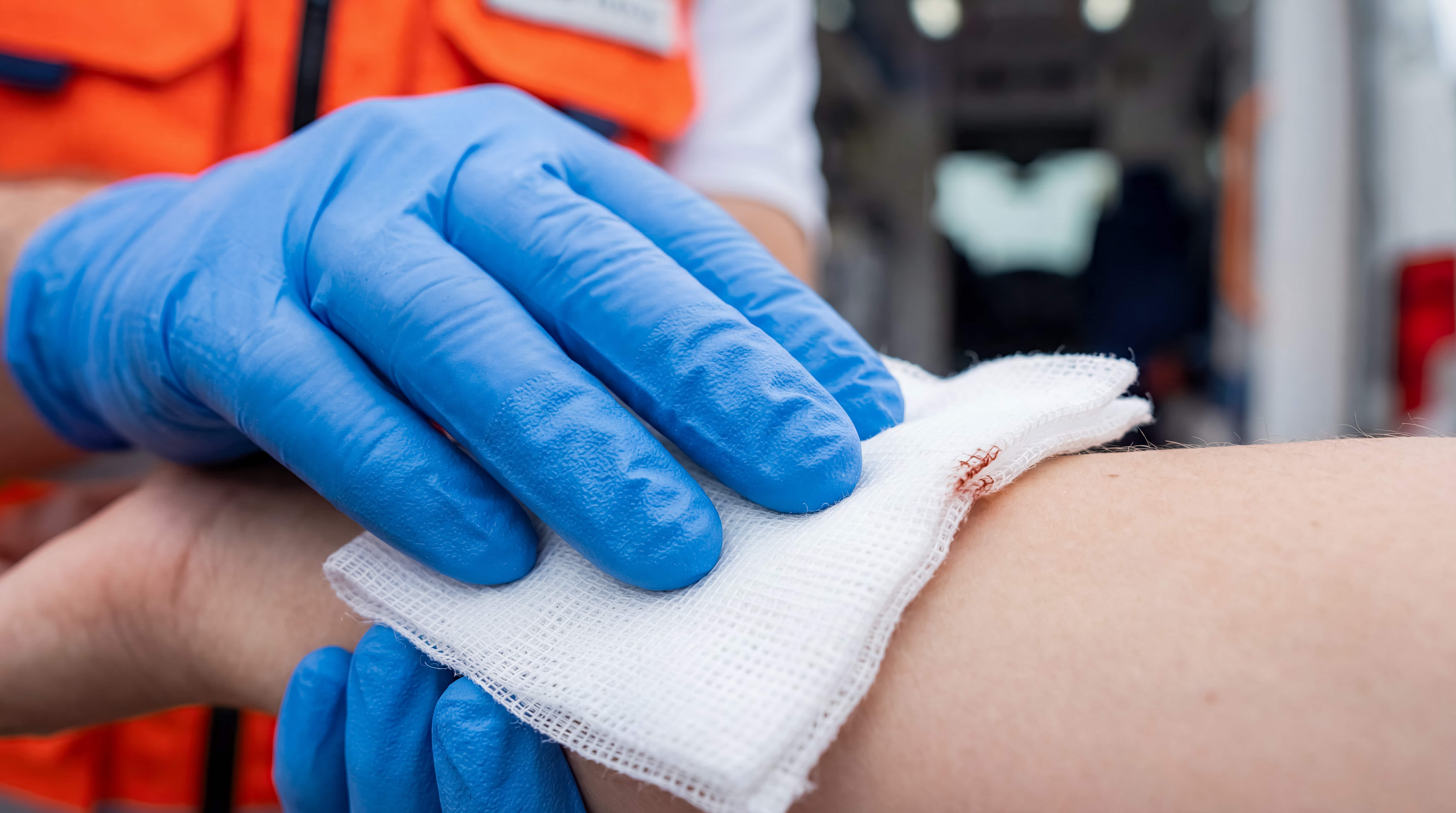
Why Visual Exams Alone Aren’t Enough
A wound may look clean and manageable on the surface while hiding deeper complications underneath. Visual exams alone cannot always determine the full extent of the problem.
Advanced diagnostic tools help identify how deep the wound extends, whether infection is present, and if underlying structures are affected. Early detection of these issues can prevent more serious complications.
How Advanced Diagnostics Help Identify Hidden Problems
Modern wound care relies on advanced diagnostic techniques to uncover what cannot be seen with the naked eye:
- Digital imaging helps evaluate bone involvement and deep tissue damage
- Vascular testing assesses blood flow and circulation issues
- Infection detection tools identify bacteria that may not be visible
- Real-time diagnostics allow for faster, more accurate treatment decisions
These tools allow providers to move beyond surface-level care and address the true cause of non-healing wounds.
When Hidden Wound Problems Become Dangerous
Ignoring a chronic wound or treating it without identifying the root cause can lead to serious health risks:
- Increased risk of infection spreading
- Delayed healing leading to tissue breakdown
- Higher likelihood of hospitalization
- Increased risk of amputation if left untreated
Understanding these risks highlights the importance of early and thorough evaluation.
Treating the Cause, Not Just the Wound
Effective wound care focuses on treating the underlying problem, not just the surface. Once the root cause is identified, targeted treatment can begin.
This may include advanced wound therapies, infection management, or improving circulation. In more complex cases, procedures such as skin grafting may be necessary when wounds cannot close on their own.
The goal is always to preserve healthy tissue, restore function, and prevent long-term complications.
Advanced Wound Evaluation in Central Pennsylvania
If you are dealing with a wound that will not heal, specialized care is available in Central Pennsylvania. Patients in and around Mechanicsburg have access to advanced wound evaluation and treatment options designed to uncover hidden causes and support proper healing.
No referral is required, and second opinions are always encouraged. Care is focused on identifying the problem, explaining your options clearly, and creating a personalized treatment plan that fits your needs.
Take the Next Step Toward Healing
If your wound isn’t healing, there may be more happening beneath the surface.
Call (717) 620-8225 today to schedule an advanced wound evaluation in Mechanicsburg and get the answers you need to start healing.