


If Your Wound Isn’t Healing, You’re Not Alone
Many people expect cuts, sores, or ulcers to heal within a few weeks. So when a wound lingers longer than expected, it can quickly become frustrating, and even a little alarming.
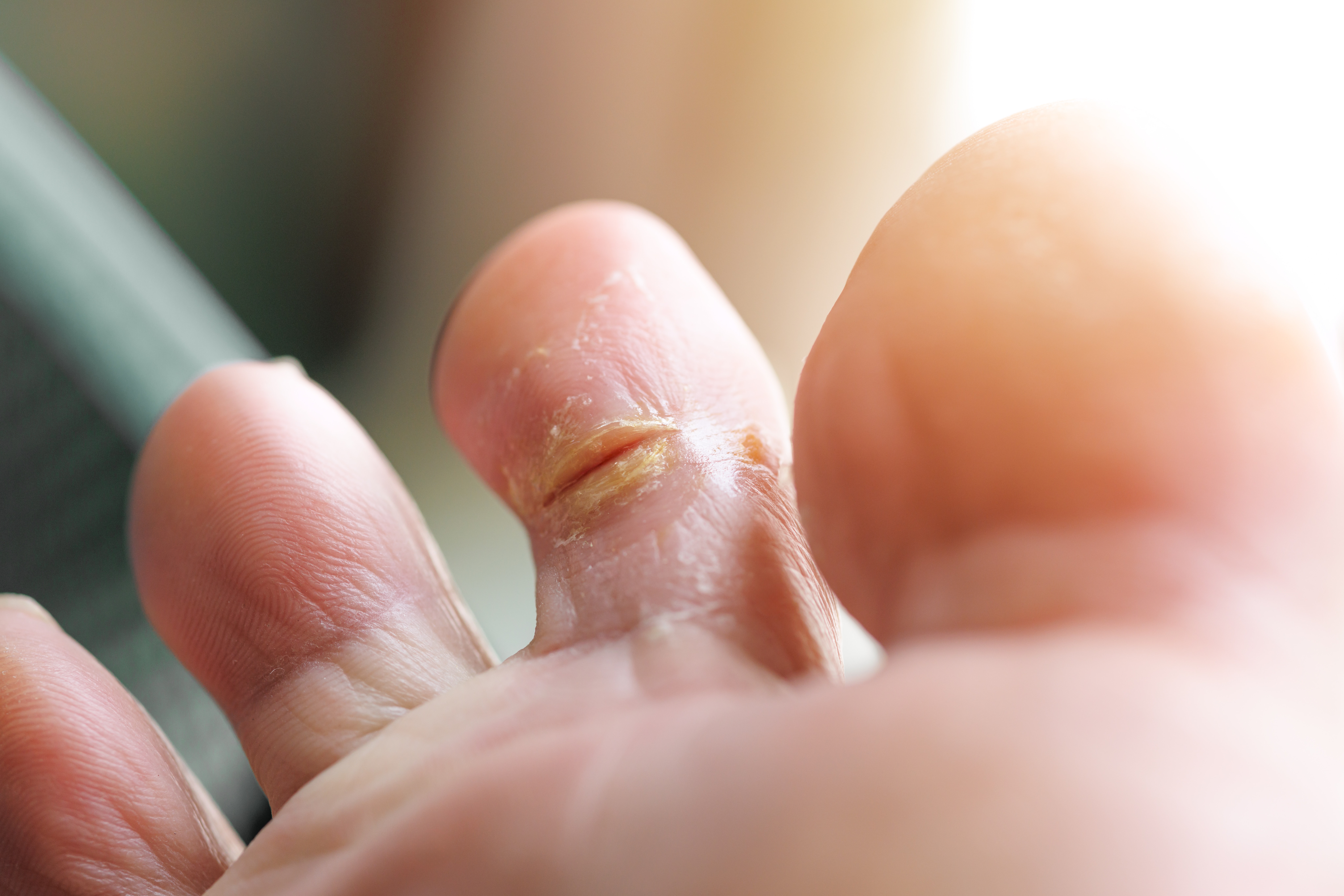
The truth is, non-healing wounds are more common than most people realize, especially in the feet and lower legs. These areas are more vulnerable due to pressure, circulation challenges, and underlying health conditions. If you’ve been dealing with a wound that “just won’t close,” you’re not alone, and there are real reasons behind it.
What Does It Mean When a Wound Won’t Heal?
Most minor wounds typically heal within 2 to 4 weeks. When a wound lasts longer than 4 to 6 weeks, it is often considered a chronic wound.
Chronic wounds don’t always look severe on the surface. In fact, some may appear small or manageable, but they can hide deeper issues that prevent proper healing.
Ignoring a slow-healing wound can lead to complications such as infection, tissue damage, or even more serious health risks. That’s why understanding the cause is so important.
Common Reasons Wounds Don’t Heal
There isn’t just one reason wounds fail to heal. In most cases, it’s a combination of underlying factors that interfere with your body’s natural healing process.
Poor Blood Flow
Healing depends on a steady supply of oxygen and nutrients delivered through the bloodstream. When circulation is compromised, the body struggles to repair damaged tissue.
This is especially common in individuals with vascular conditions or a history of smoking. Without proper blood flow, even small wounds can persist for weeks or months.
Infection You Can’t See
Not all infections are obvious. A wound may not show classic signs like redness or pus, yet bacteria can still be present beneath the surface.
Hidden infections can stall healing, cause repeated breakdown of tissue, and in more serious cases, spread deeper into the skin or even the bone.
Diabetes and Nerve Damage
Conditions like Diabetes Mellitus can significantly slow down wound healing.
Diabetes affects both circulation and the immune system, making it harder for the body to fight infection and repair tissue. In addition, nerve damage (neuropathy) can reduce sensation, meaning injuries may go unnoticed and worsen over time.
Pressure or Repeated Trauma
Constant pressure is one of the most overlooked reasons wounds fail to heal.
Walking on a wound, wearing tight or improper footwear, or having limited mobility can repeatedly stress the affected area. This prevents new tissue from forming and delays healing.
Wounds That Are Deeper Than They Appear
Some wounds extend far beneath the skin’s surface, even if they look minor externally.
There may be involvement of bone, tendons, or foreign material that cannot be seen without proper medical evaluation. These hidden factors often require advanced diagnostics to identify and treat effectively.
Why Home Care and Basic Treatment Sometimes Aren’t Enough
It’s natural to try to manage a wound at home with cleaning, ointments, and bandaging. While these steps are important, they have limitations.
Repeatedly treating only the surface of a wound without understanding the root cause can delay healing. Over-the-counter solutions cannot address deeper problems like poor circulation, infection, or structural damage.
This is where advanced wound care becomes essential: it focuses not just on the wound itself, but on why it isn’t healing.
How Advanced Wound Care Helps Identify the Problem
A comprehensive evaluation is key to proper healing. Instead of relying on visual inspection alone, advanced wound care uses multiple tools to uncover the underlying issue.
Looking Beneath the Surface
Imaging techniques, such as digital X-rays, can help detect bone involvement, retained foreign objects, or early signs of infection deep within the tissue.
Checking Circulation
Non-invasive vascular testing, like the Ankle-Brachial Index (ABI), measures blood flow to determine if circulation problems are preventing healing.
Detecting Infection Early
Advanced diagnostic tools can identify bacteria before symptoms become obvious. This allows for targeted treatment and helps prevent complications from developing.
When You Should See a Wound Care Specialist
If you notice any of the following, it’s time to seek professional care:
- A wound that has not improved after 4 weeks
- Increasing redness, swelling, drainage, or odor
- Persistent or worsening pain
- Blackened or dead tissue
- Visible bone or deep structures
- You have diabetes or known circulation issues
- You’ve been told to “wait and see,” but nothing is changing
Early intervention can significantly reduce complications and improve outcomes.
How Treating the Cause Helps Wounds Heal Faster
Effective wound care is not just about covering the injury, it’s about correcting the underlying problem and what’s preventing it from closing.
Treatment may include:
- Removing infected or dead tissue
- Addressing circulation issues when possible
- Using advanced wound healing therapies
- Offloading pressure from the affected area
- Skin grafting for wounds that cannot close on their own
By targeting the root cause, healing becomes faster, more effective, and more sustainable. The goal is not just closure, but restoring function and preventing future complications.
Expert Help for Non-Healing Wounds in Central Pennsylvania
If you’re dealing with a wound that won’t heal, specialized care can make all the difference.
Wound Care Specialists of Central PA provides advanced, patient-focused treatment designed to uncover the cause and promote healing. With convenient access in Mechanicsburg and care for patients throughout the Harrisburg region, help is close by.
No referral is required, and second opinions are always welcome.
Don’t Wait for a Wound to Get Worse
If you’ve been asking yourself, “Why won’t my wound heal?” it may be time to get answers from a specialist.
Early evaluation can prevent complications, reduce healing time, and protect your overall health.
Call (717) 620-8225 today to schedule your consultation and take the first step toward healing.